Human

Ellen was a young adult member of the congregation I served in Knoxville, TN. She was always very inquisitive regarding matters of faith. One year she decided to read through the entire Bible, Hebrew Scriptures, New Testament, the whole lot start to finish. Once she was done we got together and I asked her to tell me what surprised her the most. Her reply was that before she started reading she thought the Bible would mostly be about God and the individual, God and her. What surprised her the most was that it mostly was about God and community, about God and us as humanity.
I think most of us approach scripture as a practice in theological reflection. Then, like Ellen, we’re surprised to find out it is also, maybe more so, a practice in anthropological reflection. The Bible certainly asks questions about who God is. But surprisingly it also asks who we are as humanity and what it means to be human.
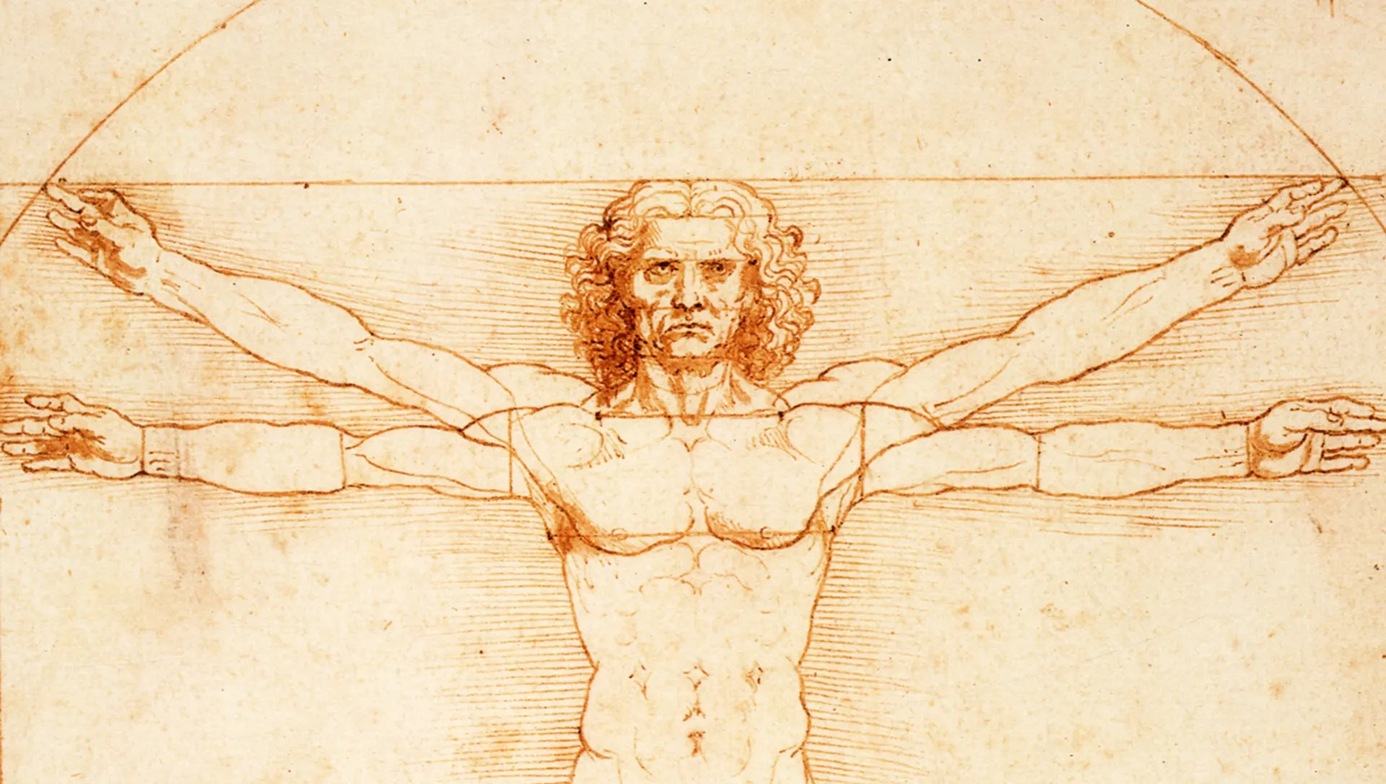
I believe that Jesus the Christ did more than show us what God is like. I believe Jesus—who often referred to himself as “The Son of Man” (a better translation is “The Human One”)—came to show us what it really looks like to be truly human.
Here’s how the theologian Walter Wink explains what I am getting at.
‘It is the great error of humanity to believe that we are human. We are only fragmentarily human, fleetingly human, brokenly human. We see glimpses of our humanness, we can only dream of what a more human existence and political order would be like, but we have not yet arrived at true humanness. Only God is human, and we are made in God’s image and likeness - which is to say, we are capable of becoming human.’ It is in embracing the humanity of Jesus that we become human ourselves.
Could it be that Jesus’ life among us had absolutely nothing to do with going to heaven bye-and-bye when we die? Rather could it be that Jesus, the Human One, came to show humanity the way to live a fully human life in the company of other human beings starting today?
-
Location