Prayer

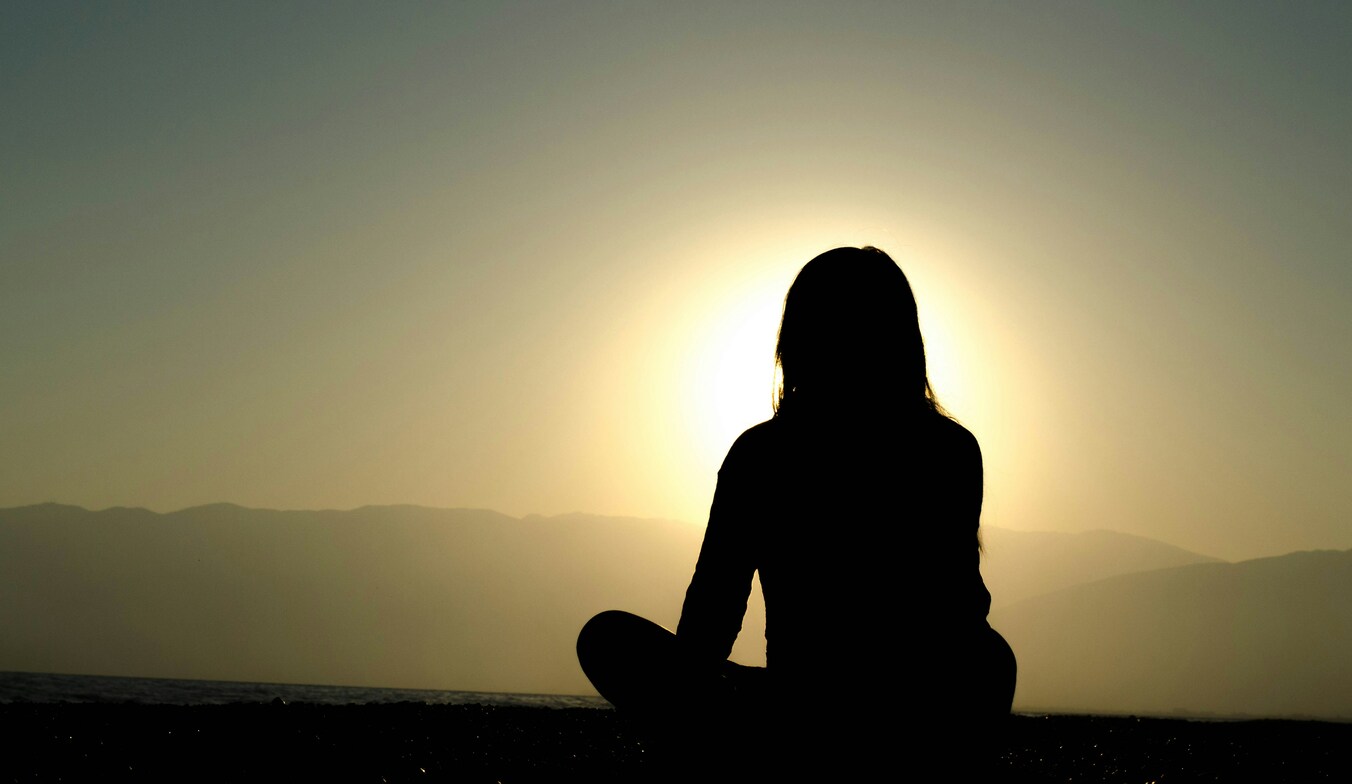
We were a noisy and rambunctious bunch, my Youth Group at St. Timothy Lutheran Church in the burbs of Atlanta. Throughout the entirety of the first evening of our annual Fall retreat in the foothills of North Georgia’s Appalachians, I don’t think we quieted down for even a moment. Finally, time came for us to settle down and go to sleep. Still being a bit noisy, we began to climb into our sleeping bags which we had strewn about on the floor of the cabin. Girls on one side. Boys on the other. As we settled down, one by one we slowly stopped our talking. The sound of silence enclosed us much like our sleeping bags. But then, after just a few moments, someone said, “Listen, can you hear it?…”
Up until that moment, we had been so busy and distracted that we had missed the sound. But there in the silence, as we all finally listened closely, we could hear it. Faintly, we could hear the sound of a mountain stream flowing by not too far from the cabin.
The sound of the water like the soundtrack of a movie had been there in the background all along, accompanying our time at the cabin.
But we were not listening.
Listening, in the form of prayer, is another way in which we show up for practice. Although when the subject of prayer comes up, most people do not immediately think of it in terms of listening. Listening obviously implies silence. Silence is not typically how we have experienced prayer. In fact I dare say most of us avoid silence whenever possible. Most of us are accustomed to spoken prayers being modeled for us from the dining room to the nave. Even Jesus, when asked by his disciples to teach them how to pray, taught them a spoken prayer. Yet from scripture we also know that Jesus spent whole nights in prayer. Likely he was not talking the entire time. Likely he spent much of the time in silence listening.
For the Desert Fathers and Mothers (3rd -5th century C.E.), silence was not merely the absence of sound, but a proactive spiritual discipline known as inner stillness. They believed that fleeing the noise of the world allowed them to confront their "true self" and hear the "still, small voice" of God. For the Desert Fathers and Mothers, silence was the necessary, "sacred space" for the soul to be, "in the presence of pure love".
_____________________________
Have you ever equated prayer with silence?
Have you ever practiced silent prayer (contemplation, mediation, inner stillness)?
In your experience which has been more helpful, prayers that you speak or read or silent prayer in which you listen?
______________________
Photo by Dingzeyu Li on Unsplash

-
Location